
Why Working Alone Isn’t Always Better: The Hidden Cost of Isolation

Working from home has many perks.
Your coffee mug is always where you left it. The soundtrack is entirely your own choosing. And if inspiration strikes, you can take a thinking lap around the block without explaining yourself to anyone.
There is comfort in that familiarity.
It’s a beautiful thing... until it isn’t.
Somewhere between your third lunch eaten over a keyboard and your fifth consecutive day of speaking primarily to pets, delivery drivers, something starts to feel a little…flat.
As we come off the Fourth of July holiday, that feeling can be especially noticeable.
We love Independence Day because it celebrates freedom, self-determination, and gathering with the people we care about.
Neighbors spill into backyards. Families linger around picnic tables. Entire communities pause to watch the same fireworks light up the sky.
But we celebrate independence together.

And maybe there’s a lesson in that for the way we work, too.
Autonomy matters. Flexibility matters. Independence is wonderful.
Connection matters, too.
Human beings, for all our love of quiet mornings and personal playlists, are remarkably social creatures. Even introverts generally prefer solitude when it’s a choice, not a permanent workplace feature.
The Great Remote Work Experiment
Remote work gave many of us something precious: flexibility.
Parents gained time back from commuting. Small business owners reduced overhead.
Professionals discovered that focused work often happens more efficiently outside traditional offices.
Those are genuine wins.
But the pendulum sometimes swings a little too far.
Researchers consistently find that strong social connections contribute to greater happiness, lower stress levels, and increased engagement at work. People who feel connected to others tend to be more motivated, more resilient, and better able to navigate challenges.
Turns out, your brain likes having other humans around.
Not necessarily talking to you every minute. Just existing in the same universe.
Sometimes productivity comes from quietly sharing a room with people who are also trying to get things done.
There’s comfort in that.
The Myth of Complete Independence
Modern work culture often celebrates the image of the lone genius.
The entrepreneur building an empire from a laptop.
The freelancer succeeding entirely on their own.
Reality is considerably less dramatic.
Most of us do better with a little community.
Not constant interaction. Not mandatory happy hours or in-office days.
Just enough connection to remind us that we’re part of something bigger than our inbox.
A quick conversation over coffee.
A familiar face saying good morning.
A chance encounter that sparks a new idea.
Those moments matter more than we sometimes realize.
Why Face-to-Face Interaction Still Matters
Technology has given us extraordinary tools.
Video calls. Instant messaging. Shared documents. Collaborative platforms.
They’re incredibly useful.
They’re also not quite the same thing as sitting across from another person.
Body language communicates information that screens often flatten.
Casual conversations before meetings build trust.
Ideas bounce differently when people share physical space.
Researchers studying workplace relationships have found that strong interpersonal connections contribute to higher levels of engagement and satisfaction. Teams that occasionally meet in person often report greater trust and collaboration, even when much of their work remains remote.
The goal isn’t abandoning flexibility.
It’s preserving humanity within flexibility.
The Productivity Boost Nobody Talks About
A fascinating concept in psychology is something called social facilitation.
In simple terms, people frequently perform tasks more effectively when others are nearby doing similar work.
Think about studying in a library.
Everyone is quietly focused.
Nobody is looking over your shoulder, yet somehow you become a slightly better version of yourself.
Your attention sharpens.
Your motivation rises.
Your brain receives a subtle message:
“We’re working now.”
Home environments, wonderful as they are, send mixed signals.
The sourdough starter demands attention.
The garden suddenly looks irresistible.
The online order you absolutely didn’t need arrives precisely when you’re trying to focus.
And there is that persistent feeling that maybe now would be an excellent time to reorganize a closet.
The boundaries blur.
A dedicated workspace creates something increasingly valuable in modern life:
Context.
When you enter a place designed for work, your mind follows.
Community Without the Commute
Here’s the good news:
You don’t need to return to a traditional office five days a week to experience the benefits of human connection.
For many people, one or two days each week in a shared workspace makes a meaningful difference.
In fact, some employers have started offering coworking stipends or reimbursements for remote employees, recognizing that a modest investment in workspace and human connection can support wellbeing, productivity, and retention.
It’s a recognition that flexibility and community aren’t opposing ideas. The healthiest work arrangements often include a little of both.
Enough interaction to feel connected.
Enough flexibility to maintain the lifestyle they love.
It’s a middle path, and middle paths rarely get the marketing campaigns they deserve.
But they’re often where real life happens.
At Good Company Workspace, we’ve learned that connection doesn’t have to mean a crowded room.

Sometimes it’s bringing a colleague for a planning session. Sometimes it’s meeting a client face-to-face instead of squeezing another conversation into a video call.
Sometimes it’s inviting a friend who’s also working remotely to join you for the day.
And yes, sometimes there are other professionals working alongside you. As our community grows, we’re excited to create more opportunities for those organic interactions that make work feel a little more human.
But even on a quiet day, there’s value in changing your environment.
Stepping away from the kitchen table.
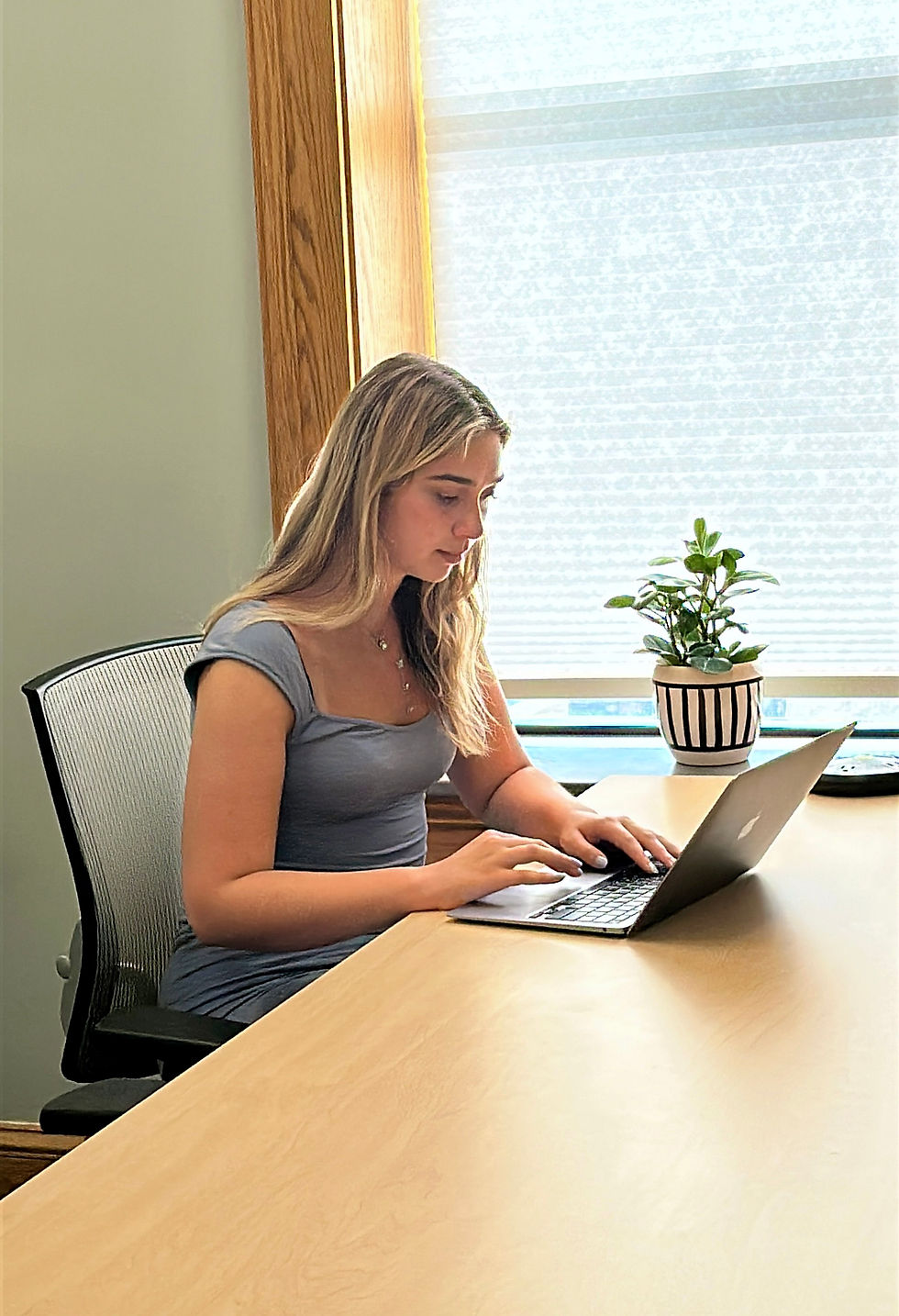
Working somewhere designed for focus.
Seeing another adult in real life before 5 p.m.
No forced networking. No awkward introductions.
Just a welcoming place to do good work, with room for connection when you want it.
Working Alone Doesn’t Have To Mean Feeling Alone
Remote work isn’t going anywhere, and that’s a good thing.
Flexibility matters.
Family matters.
Autonomy matters.
But connection matters too.
Maybe that’s the lesson hidden inside the Fourth of July holiday as well.
We celebrate independence for good reason.
But we celebrate it together.
The challenge isn’t choosing between home and office.
It isn’t choosing between freedom and community.
It’s finding the balance that allows both to flourish.
Maybe that’s a dedicated home office.
Maybe it’s a coffee shop once a week.
Maybe it’s a coworking membership.
Maybe it’s bringing a friend for an accountability day.
Maybe it’s occasionally booking a meeting room so your team can brainstorm in person.
Whatever the solution, the goal remains the same:
To do meaningful work without feeling alone.
Because work is about more than tasks.
It’s about ideas.
Relationships.
Community.
And sometimes, simply sharing a space with other people, exchanging a quick hello, or talking through an idea over coffee can completely change the course of a day.
Ready for a Change of Scenery?
If working from home has started to feel a little too much like living at work, consider giving yourself a different environment once in a while.
Come on your own, bring a colleague, or invite a friend who’s also craving a little more focus.

If your employer offers a remote-work or coworking stipend, we’d be happy to provide the documentation you need for reimbursement. We can even create a plan just for you so you can maximize your benefit.
At Good Company Workspace in downtown Marlborough, you’ll find comfortable workspaces, superfast Wi-Fi, free parking, great local coffee nearby, and a flexible, welcoming atmosphere designed to help people work well.
Because connection doesn’t always require a crowd.
Sometimes all it takes is one conversation, one fresh perspective, or simply spending the day in good company.
One More Thought
One of the reasons I started Good Company Workspace is because I don't believe the future of work is about choosing between home and the office. I think it's about having the freedom to choose the environment that helps you do your best work on any given day.
Since opening Good Company, I've realized that people rarely walk through the door looking for 'coworking.' They're usually looking for focus, a change of scenery, or simply a place where work feels a little easier.
Those small shifts can have a surprisingly big impact. My hope is that The Good Company Journal becomes a place where we can keep exploring ideas like these together.
What's one thing you love about working from home that you'd never want to give up?
And what's one thing you miss about working around other people?
Thanks for spending a few minutes with us.
Until next time,
Harmony Larson
Founder, Good Company Workspace


Comments